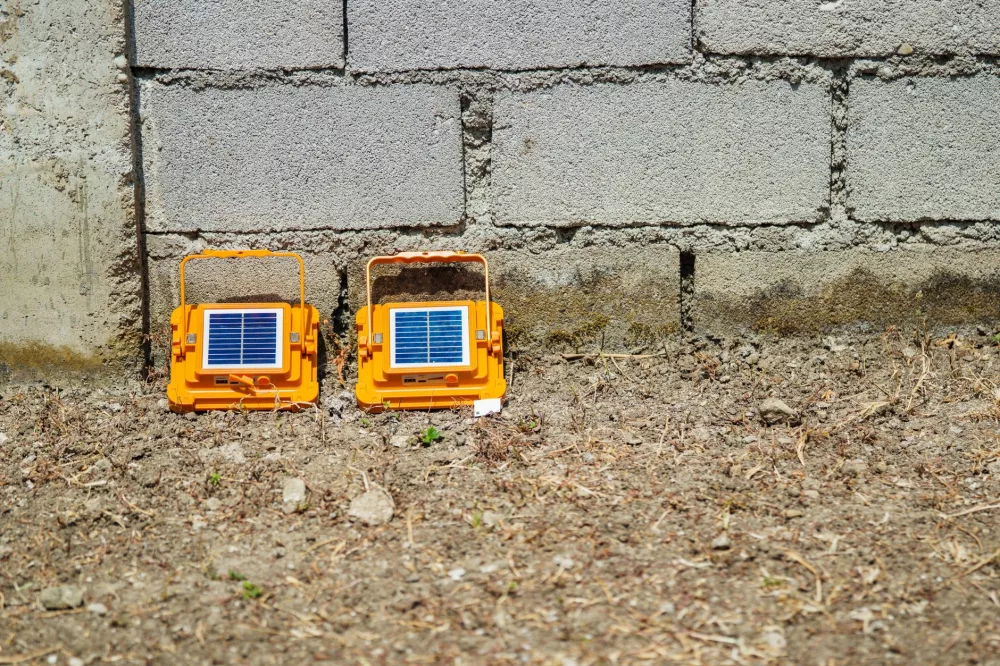
Understanding the Modern Powerpak
In our increasingly mobile and technology-dependent world, the need for reliable, portable power has never been greater. Whether we're exploring remote wilderness areas, managing a busy outdoor event, or simply preparing for unexpected power outages at home, a robust energy source is absolutely essential. That's where the concept of a 'Powerpak' truly shines. For me, a Powerpak isn't just a battery; it's a comprehensive, often sophisticated, portable energy station designed to keep our essential devices and appliances running when grid power isn't available. It’s a remarkable piece of engineering, I've got to say.
When I talk about a Powerpak, I'm generally referring to an integrated system that typically includes a high-capacity lithium-ion battery, an inverter for AC output, various DC ports, and USB charging capabilities. We're talking about devices that can range from compact units fitting in a backpack to larger, wheeled stations capable of powering small homes for extended periods. It's an evolution from simple power banks; these are often intelligent, versatile, and built for demanding conditions. Think of it as a personal, portable power grid, always ready to go. I find it fascinating how much technology is packed into these things.
Key Features That Make a Powerpak Stand Out
What sets a true Powerpak apart from just a large battery? It's really the confluence of several critical features that work together to provide a seamless power experience. I've spent a good deal of time looking at these systems, and I've identified a few elements that I believe are non-negotiable for a truly effective unit.
- High-Capacity Battery: At its core, every Powerpak boasts a significant battery capacity, usually measured in Watt-hours (Wh). This determines how long it can power your devices. We're seeing units now that can store hundreds, even thousands, of Wh, making them suitable for everything from charging phones multiple times to running refrigerators.
- Multiple Output Ports: Versatility is key. A good Powerpak offers a variety of output options. You’ll find standard AC outlets (just like in your wall), various DC outputs (like 12V car sockets), and numerous USB ports, including USB-C with Power Delivery (PD). This means you can power laptops, medical equipment, power tools, and smart devices all from one source.
- Diverse Charging Methods: How you recharge your Powerpak is just as important as how it powers your devices. Most modern units can be charged from a standard wall outlet, a car's 12V socket, and, crucially, via solar panels. This last option is a game-changer for off-grid scenarios, offering truly renewable energy independence. I can't stress enough how important solar input is for extended use.
- Advanced Safety and Management Systems: Inside these units, there's often a sophisticated Battery Management System (BMS). This system protects against overcharging, over-discharging, over-current, and short circuits, ensuring both the longevity of the battery and the safety of your connected devices. It’s a silent guardian, if you will.
- Durability and Portability: These units are often built to withstand challenging environments. Many feature rugged casings, ergonomic handles, and sometimes even wheels for easier transport. I've observed that the better models strike a good balance between robust construction and reasonable weight.
Applications: Where Powerpaks Make a Real Difference
The utility of a Powerpak is incredibly broad. We're seeing them deployed in so many different contexts, and each time, they're providing a solution to a genuine power need. I think it's fair to say that they've become an indispensable tool for many.
Outdoor Adventures: For campers, RV enthusiasts, and overlanders, a Powerpak means the difference between a primitive trip and a comfortable one. It powers portable fridges, lights, air pumps, and charges all our gadgets. We don't have to worry about noisy, fuel-guzzling generators anymore, which is a huge plus for enjoying nature peacefully.
Emergency Preparedness: When the power grid fails due to extreme weather or other disruptions, a Powerpak can literally be a lifesaver. It keeps critical medical devices running, ensures communication devices stay charged, and provides essential lighting and heating/cooling for a period. I personally feel a lot more secure knowing I have one ready.
Professional Use: Construction sites without accessible power, outdoor photography shoots, mobile workshops, or street vendors all benefit immensely. Powerpaks can run drills, charge camera batteries, operate lighting setups, and even power small appliances for pop-up shops. It’s quite impressive to see them in action in these environments.
Home Backup: While not a whole-home solution, a Powerpak can keep essential home appliances like routers, modems, laptops, and even small refrigerators running during short power cuts. It bridges the gap until grid power is restored. It offers a peace of mind I don't think we had before these units became so accessible.
Choosing the Right Powerpak for Your Needs
With so many options available, picking the right Powerpak can feel a little overwhelming. My advice is always to assess your specific requirements first. Don't just go for the biggest one you can find. Consider what you need to power and for how long. Look at the total wattage of your devices and their run time to estimate the necessary capacity. You'll want to think about the surge capacity too, especially for motors or compressors.
Consider the types of output ports you'll actually use. Do you need multiple AC outlets? How many USB-C PD ports? And don't forget about the charging input options – if you plan to use solar, make sure the unit has a compatible and efficient solar charge controller. Of course, budget is always a factor, but I've found that investing in a reputable brand with good customer support often pays off in the long run. Portability, weight, and build quality are also huge factors, particularly if you’re planning on carrying it around a lot.
The Future of Portable Power
The trajectory of Powerpak technology is exciting. I anticipate we'll see even greater energy density in batteries, meaning smaller, lighter units with more power. Integration with smart home ecosystems and more sophisticated app control, providing real-time data and remote management, seems like a logical next step. I also foresee advancements in bi-directional charging, allowing Powerpaks to potentially feed power back into a home grid or even act as a temporary EV charger. The possibilities are truly expanding, and it’s a space I’m personally very keen on watching develop.
To me, the Powerpak represents a significant step towards energy independence and resilience for individuals and small businesses alike. It's not just about having power; it's about having reliable, flexible power wherever and whenever you need it. And that, I believe, is a pretty powerful thing.